 Hawaii Luaus
The Imu: How Kalua Pig Is Cooked Underground
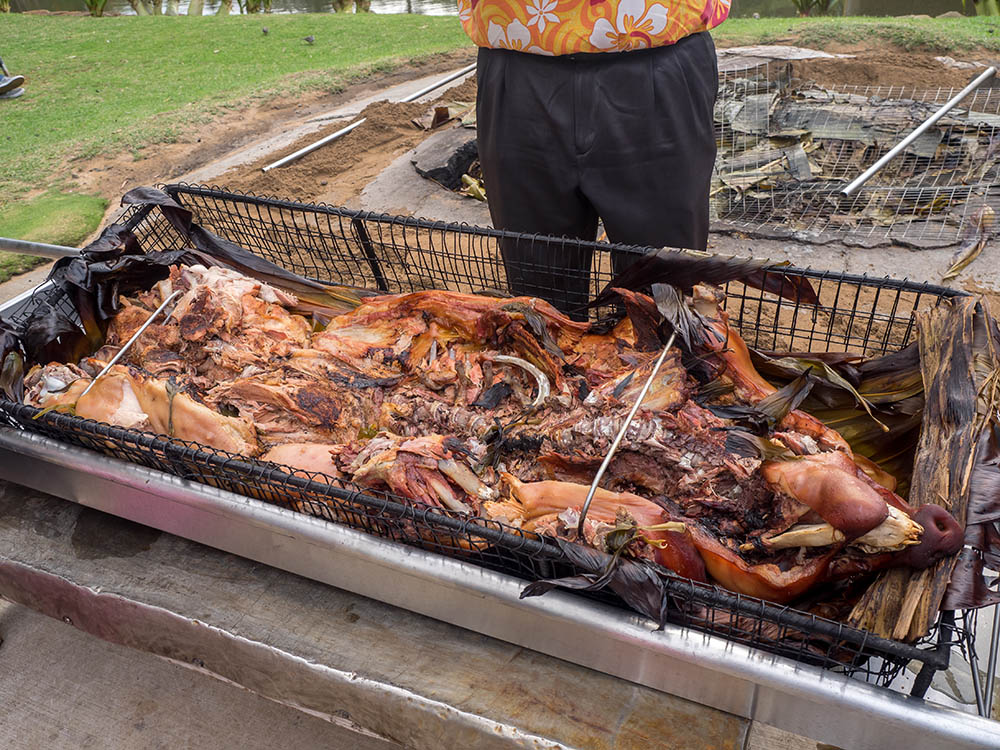
What Is an Imu
An imu is a traditional Hawaiian underground oven. Instead of cooking with an open flame or a modern stove, the imu cooks with trapped heat and steam deep in the earth. The word kalua actually means to cook in an underground oven, so kalua pig simply means pig cooked in the imu. This method is one of the oldest cooking styles in Hawaii, passed down through families and still used at luaus across the islands today.
The beauty of the imu is its simplicity. It uses only fire, rocks, leaves, and time. There are no dials or thermometers, just skill and patience handed down over generations.
Building the Fire and Heating the Rocks
The process starts with digging a wide pit in the ground. A wood fire is built inside it, often using kiawe or other hardwoods that burn hot and steady. On top of and around the fire go special rocks, usually dense volcanic stones that can soak up heat without cracking.
The fire burns for a long time until the rocks glow and the wood has fallen to embers. These hot rocks are the engine of the whole oven. They hold their heat for hours, which is exactly what a whole pig needs to cook all the way through.
Wrapping and Burying the Pig
Once the rocks are ready, the cooks line the pit with layers of banana stumps and leaves, along with ti leaves. This green layer protects the meat and creates the steam that does the cooking. The pig, rubbed with salt, is placed on top, and more leaves are piled over it.
Then the pit is sealed. Wet burlap or cloth goes on next, followed by a thick layer of dirt or sand to lock everything in. The goal is an airtight, well insulated chamber. A few key things make this work:
- The hot rocks provide steady heat from below for many hours.
- The wet leaves and stumps create steam that keeps the meat moist.
- The dirt seal traps heat and smoke so nothing escapes.
The Long, Slow Cook
Now comes the hardest part, which is waiting. A whole pig in an imu can cook for many hours, often most of a day. During that time no one opens the pit, because letting out the heat and steam would ruin the result. The meat slowly breaks down until it is soft enough to pull apart with a fork.
When the imu is finally opened, the moment is part of the show at many luaus. Steam rises, the smell fills the air, and the cooks lift out pork that is smoky, salty, and tender. That deep, earthy flavor is something a regular oven simply cannot copy.
More Than a Cooking Method
The imu is not just a way to make dinner. It is a tradition that brings families and communities together, often with several people working through the day to tend the fire and prepare the feast. Cooking in the imu connects today’s luaus to the Hawaii of long ago, when the same method fed gatherings and celebrations.
So the next time you enjoy kalua pig at a luau, remember the hours of fire, rock, and patience hidden beneath the ground. That underground oven is the real secret behind one of Hawaii’s most beloved foods.