 Hawaii Luaus
The Significance of Hula at Hawaiian Luaus
June 15, 2025
The Origins of the Hula: A Hawaiian Tradition
The hula is more than just a dance, it is a captivating cultural expression that dates back centuries in Hawaiian history. Originating in ancient Hawaii, the hula was developed as a way to tell stories, honor the gods, and preserve the rich history and legends of the islands. Unlike many dances around the world, hula combines graceful movements with chanting or singing, making it a unique and meaningful art form.
A Dance of Gods and Nature
Legend has it that the hula was created by the goddess Laka, who is revered as the patron of hula. Early Hawaiians believed that the dance was a sacred way to communicate with nature and the divine. The flowing motions mimic elements like the ocean waves, the swaying of palm trees, and the flight of birds. This deep connection to the natural world is a key reason the hula became an essential part of Hawaiian spirituality and community life.
Hawaiian Luaus: The Perfect Stage for Hula’s Magic
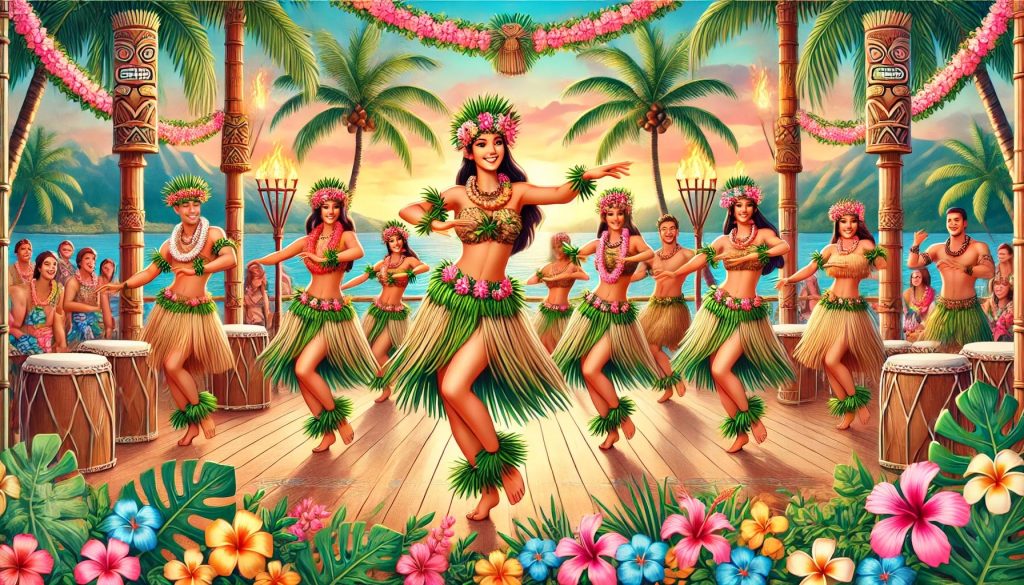
When it comes to Hawaiian luaus, the hula holds a place of honor. A luau is a traditional Hawaiian feast where family, friends, and visitors gather to celebrate with food, music, and dance. The inclusion of the hula at these gatherings transforms the event from a simple meal into a lively cultural experience. The dance brings the stories of the islands to life, captivating audiences and creating a festive atmosphere.
Storytelling Through Movement at Hawaiian Luaus
One of the most exciting aspects of the hula is its role as a storytelling medium. Each gesture and movement has meaning, representing words, emotions, or elements of nature. During Hawaiian luaus, the hula dancers recount legends of heroes, gods, love, and the beauty of the islands. This storytelling tradition educates guests about Hawaii’s history and culture in a way that is entertaining and immersive.
The Evolution of Hula
Over time, the hula has evolved from its sacred ritual into a performance art enjoyed worldwide. Still, its presence at Hawaiian luaus remains deeply symbolic. Luaus celebrate community and heritage, and the hula connects everyone to those roots. Modern luaus often feature both traditional hula, called “kahiko,” with its chanting and ancient costumes, and “auana,” the more contemporary style with melodic songs and fluid movements.
Why Hawaiian Luaus Without Hula Would Feel Incomplete
Imagine attending a Hawaiian luau without the hula, it would be like missing the heart of the celebration. The dance energizes the event, inviting participation and shared joy. It embodies the aloha spirit of warmth, welcome, and respect. The hula’s presence at luaus is a living reminder of the islands’ vibrant culture and the enduring legacy of its people.
Hawaiian Luaus: A Connection to Identity & Pride
For native Hawaiians, the hula is a powerful expression of identity and pride. At luaus, performing or watching the hula is a way to honor ancestors and keep traditions alive. This cultural continuity strengthens community bonds and educates visitors, fostering appreciation and respect for Hawaiian heritage.
The Role of Music and Chanting
Integral to the hula is the music—whether chanting ancient verses or playing ukuleles and drums. At Hawaiian luaus, these sounds create an immersive environment that transports guests to the heart of Hawaiian culture. The rhythm guides the dancers and enhances the storytelling, making the performance a sensory celebration of island life.
How Tourists & Locals Celebrate with Hula at Hawaiian Luaus
Hawaiian luaus attract visitors from around the world, eager to experience authentic island culture. The hula offers a window into the soul of Hawaii, sparking excitement and curiosity. For locals, it’s a cherished tradition and a joyful expression of community. This blend of audiences makes luaus a vibrant cultural exchange, with the hula at the center.
The Enduring Significance of Hula at Hawaiian Luaus
In today’s fast-paced world, the hula continues to be a vital part of Hawaiian luaus, connecting past and present. It’s a celebration of nature, history, and human creativity that invites everyone to join in the aloha spirit. Whether you’re a first-time visitor or a lifelong islander, the hula at a Hawaiian luau offers an unforgettable glimpse into the heart of Hawaii.