Hawaiian poke, pronounced “poh-kay,” is a beloved dish originating from the islands that is served at Hawaiian Luaus and is gaining popularity worldwide. One of the most cherished varieties is raw ahi tuna, popular for its buttery texture and rich flavor. Traditionally, ahi tuna is cubed and marinated in a blend of soy sauce, sesame oil, onions, and sometimes seaweed or sesame seeds. This combination not only enhances the natural taste of the tuna but also reflects the cultural fusion found in Hawaiian cuisine. For those who are fans of sashimi, you will absolutely love poke.
Octopus Poke
Beyond ahi tuna, poke offers an array of seafood options, including octopus. Octopus poke (he’e in Hawaiian), is mainly referred to as “Tako”. Tako, is Japanese for octopus which highlights the Asian influence across the islands and almost everywhere you go on the islands, locals will refer to it as such. If you’re a fan of eating octopus, this poke is marinated similarly to ahi tuna but with a unique twist of Hawaiian sea salt and perhaps a touch of chili pepper water for a bit of heat.
The Poke Bowl
Poke bowls have become a trendy way to enjoy this traditional dish. These bowls typically start with a base of rice, either white or brown, topped with generous portions of marinated poke, and accompanied by a colorful assortment of toppings such as avocado, seaweed salad, cucumber, and edamame. The combination of textures and flavors makes poke bowls not only delicious but also visually appealing, appealing to both taste buds and Instagram feeds alike.
Poke vs Sushi
What sets poke apart from other seafood dishes like sushi is its seasoning and preparation. While sushi emphasizes vinegared rice and raw fish, poke focuses on marinated chunks of fish or seafood. The marinade, often a blend of soy sauce, sesame oil, green onions, and sometimes spicy seasonings, infuses the fish with bold flavors that develop over time, creating a harmony of taste sensations with every bite.
While both sushi and poke feature raw fish, their preparation and presentation diverge significantly. Sushi is characterized by its vinegared rice base, often rolled with seaweed and accompanied by various toppings or fillings. In contrast, poke is primarily about the fish itself, marinated to enhance its natural flavors, served either on its own or atop a bed of rice or greens.
Roots of Poke into Hawaiian Culture
Poke has deep roots in Hawaiian culture, originating as a simple dish enjoyed by native Hawaiians who would season freshly caught fish with whatever ingredients were available—often sea salt, seaweed, and crushed kukui nuts. This early form of poke was not just a meal but a way of life, embodying a deep connection to the land and sea. Today, poke remains a staple in Hawaiian cuisine, evolving to include a variety of flavors and ingredients while still honoring its traditional roots.
For Hawaiians, poke represents more than just a dish; it symbolizes community, tradition, and respect for the environment. The act of preparing poke often involves sharing stories and knowledge about fishing practices and the importance of sustainability. By preserving and celebrating poke, Hawaiians preserve a piece of their cultural heritage while embracing the future of culinary creativity.
Poke Goes Global
In recent years, poke has gained popularity worldwide, with restaurants from New York to Tokyo offering their take on this Hawaiian classic. The simplicity of fresh fish combined with vibrant flavors has captivated food enthusiasts everywhere, leading to a global poke phenomenon that continues to grow.
As poke continues to evolve, chefs are experimenting with new ingredients and flavors while staying true to its Hawaiian roots. Whether enjoyed in a traditional bowl on the shores of Oahu or as a trendy appetizer at a bustling city restaurant, poke remains a dish that bridges cultures and connects people through a shared love of food and flavor.
Dig-in and Enjoy!
Hawaiian poke is more than just a dish—it’s a cultural experience that celebrates the bounty of the islands and the creativity of its people. From its humble origins to its global popularity, poke continues to captivate with its fresh ingredients, bold flavors, and rich traditions. Whether you’re a seafood lover or a culinary adventurer, exploring the world of poke promises a delicious journey into the heart of Hawaiian cuisine.
What are Authentic Hawaiian Foods?
July 5, 2024
Exploring the Delights of Traditional Hawaiian Cuisine
Hawaii’s traditional cuisine is a vibrant tapestry of flavors that reflect the islands’ rich cultural heritage and natural bounty. From succulent kalua pork to refreshing haupia pie, each dish tells a story of Hawaii’s history and local ingredients.
Lomi-Lomi Salmon
This dish offers a taste of Hawaii’s coastal treasures. This traditional dish combines diced salted salmon with tomatoes, onions, and sometimes chili peppers. The ingredients are gently massaged together (lomi-lomi means “massage” in Hawaiian) to blend the flavors harmoniously. The dish is both refreshing and savory, showcasing the island’s affinity for fresh seafood.
Squid Luau
Not for the faint of heart, squid luau is for all of you diehard sea food lovers out there. It is another island favorite that combines tender squid with taro leaves cooked in coconut milk. The result is a creamy, savory dish with a hint of sweetness from the coconut. It’s a comforting dish that highlights traditional Hawaiian ingredients and cooking techniques.
Kalua Pork
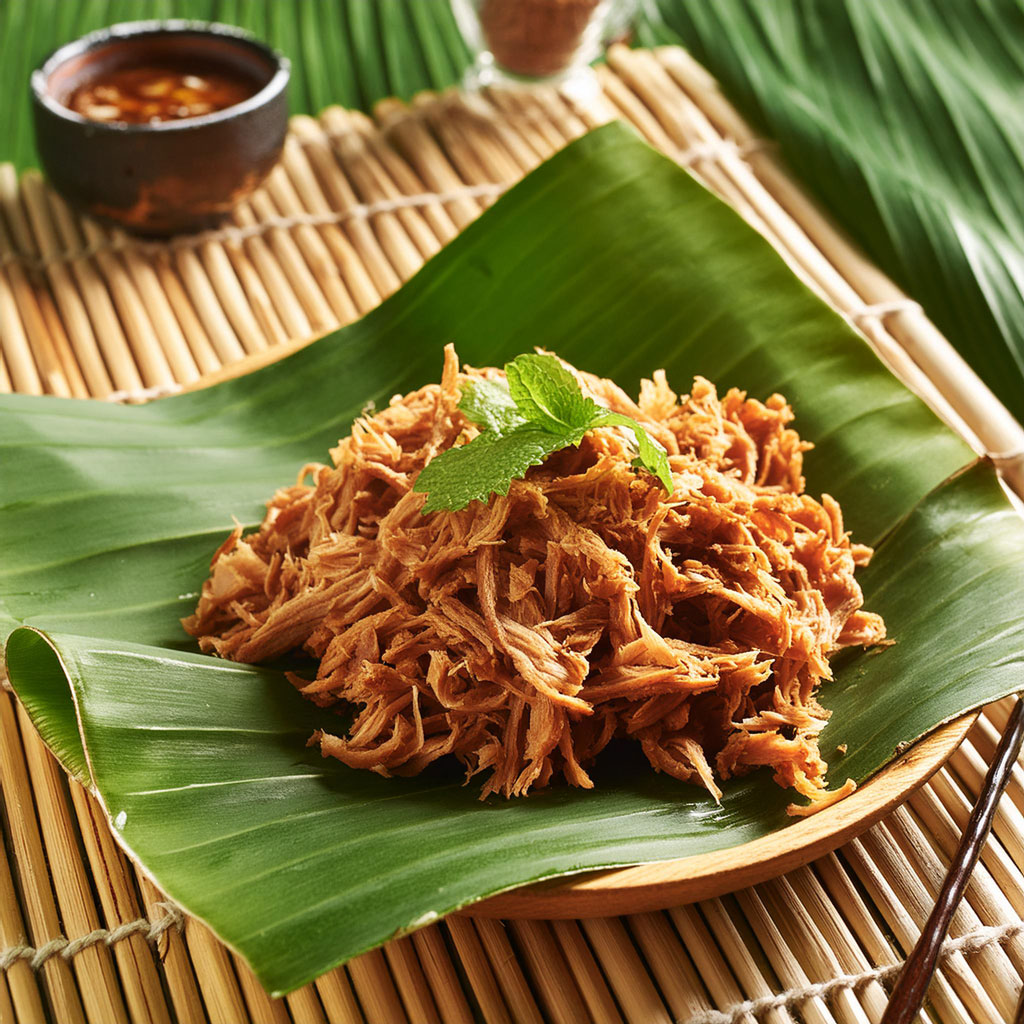
This is the centerpiece of Hawaiian feasts, it is prepared by slow-roasting a whole pig in an underground oven called an imu. The result is tender, smoky meat that melts in your mouth, infused with flavors of sea salt and natural juices. It’s a dish that honors ancient Hawaiian cooking methods and celebrates community gatherings.
Pork Lau Lau
A personal favorite of mine is pork lau lau. Tender pork is usually seasoned with Hawaiian sea salt and wrapped in taro & ti leaves, is steamed until it melts in your mouth. The leaves impart a unique earthy flavor to the pork, creating a dish that is both hearty and wholesome. Lau lau is often enjoyed at celebrations and family gatherings, embodying the spirit of aloha.
Ahi Poke
Poke Ahi is a traditional Hawaiian dish that features fresh, cubed pieces of raw yellowfin tuna, also known as ahi. The tuna is typically marinated in a flavorful blend of soy sauce, sesame oil, green onions, and sometimes sesame seeds or chili flakes for added spice. This dish is often served as an appetizer or a light meal, showcasing the natural taste and texture of the tuna while offering a mix of savory and umami flavors. Poke Ahi has gained popularity beyond Hawaii, becoming a favorite choice for seafood enthusiasts seeking a fresh and vibrant dining experience.
Chicken Long Rice
Chicken long rice is a traditional dish from the Pacific Islands, particularly popular in Hawaiian cuisine. It typically consists of tender pieces of chicken simmered in a savory broth with long rice noodles, which are thin and transparent, resembling bean thread noodles. The dish is seasoned with garlic, ginger, soy sauce, and often includes vegetables such as carrots, celery, and mushrooms. Long rice chicken is known for its light and comforting flavors, with the noodles soaking up the delicious broth and complementing the tender chicken. It’s a hearty and satisfying meal that reflects the diverse culinary influences found in Pacific Island cuisine.
Poi
Many will give this mixed reviews given it doesn’t look appetizing. Poi is a staple of the Hawaiian diet made from taro root. The root is cooked and pounded to create a thick, purple paste with a texture similar to pudding. Poi can vary in consistency from thick to thin and has a mildly sweet and nutty flavor. It’s often served as a side dish or used as a dip. When you taste Poi, you may notice a very mild earthy root flavor. I personally love to dip my kalua pork in it or even mix it in with my kalua pork. Try it! You might become a fan.
Haupia (Coconut Pudding)
Haupia is a traditional Hawaiian coconut pudding that serves as a sweet ending to a meal. Made from coconut milk, sugar, and sometimes thickened with arrowroot or cornstarch, haupia has a smooth texture and a delicate coconut flavor. It’s often cut into small squares and served chilled, making it a refreshing treat on a warm Hawaiian day.
Pineapple
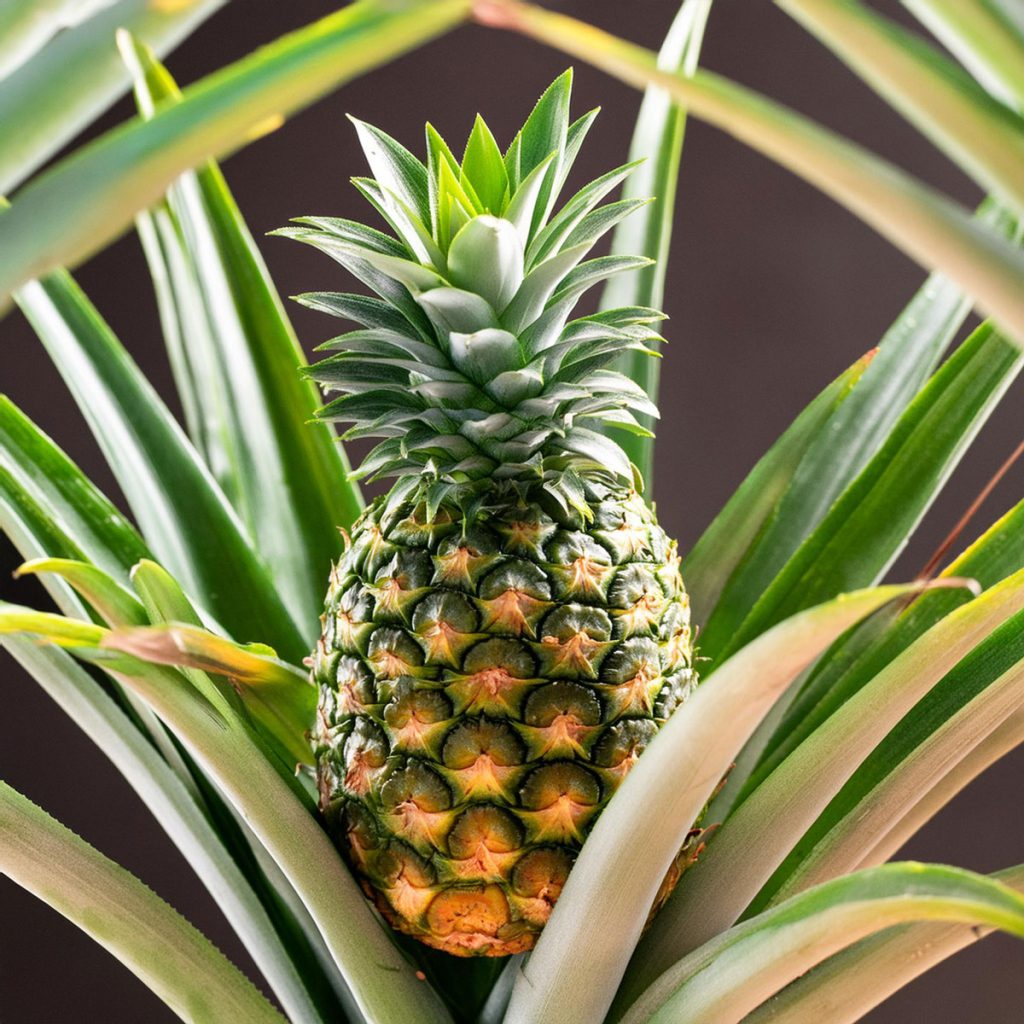
Many believe pineapple is native to Hawaii and that it grows on trees. When I have friends visit the islands, they are completely surprised to see that the pineapple plant sprouts like a flower from a small ground plant that has long, thick, spiky leaves. Fully grown, the plant only reaches 2′-4′ in diameter. Native to South America and the Caribbean, many theorize that this delcious fruit was introduced to Hawaii during the 19th century. One of the main theories being that Christopher Columbus brought it back to Europe after visiting the Caribbean and as Europeans started colonizing the islands, indigenous Hawaiians adopted it. Now, Pineapple is a symbol of hospitality in Hawaii. It is enjoyed fresh or incorporated into dishes such as salads, desserts, and even savory dishes like grilled pineapple skewers. Its sweet, tangy flavor adds a tropical touch to any meal and showcases Hawaii’s abundant fruit harvests.
In conclusion, traditional Hawaiian cuisine is a fusion of cultural influences and natural abundance, offering a culinary journey that delights the senses and celebrates the spirit of aloha. Each dish tells a story of Hawaii’s history and the diverse flavors that have come together to create a unique and unforgettable dining experience.
 Hawaii Luaus