 Hawaii Luaus
The History of the Hawaiian Luau: How the Feast Began
More Than a Party: A Feast With Deep Roots
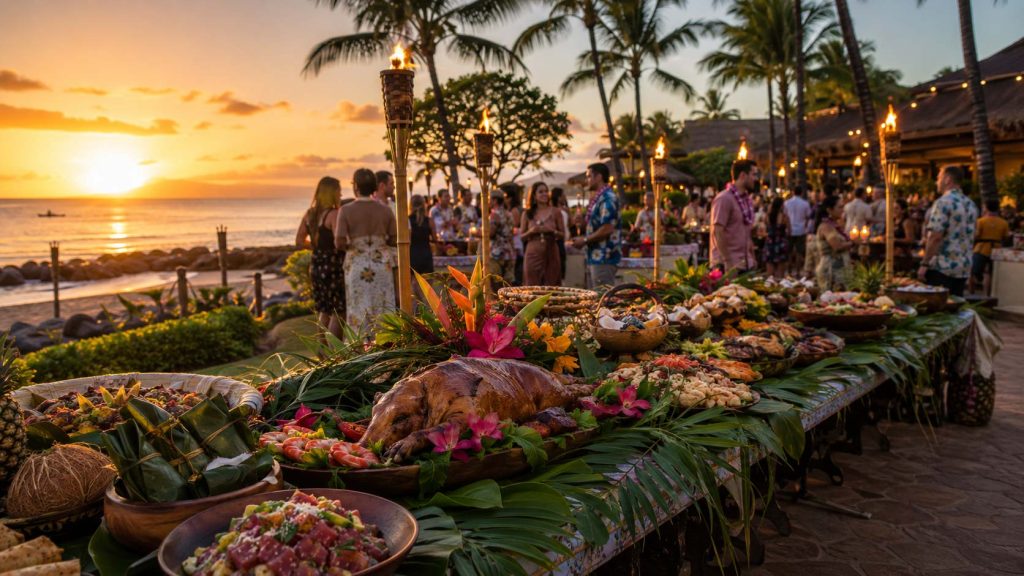
Today a Hawaiian luau means food, music, hula, and an unforgettable island night. But the celebration we know now grew out of something much older and more meaningful. For centuries, Hawaiians gathered for large feasts to mark important moments, and the story of how those feasts became the modern luau is one of the most interesting chapters in island culture.
Understanding where the luau came from makes the experience richer. When you sit down to that feast, you are taking part in a tradition that stretches back generations and once carried real spiritual and social weight.
Feasts Before the Word Luau
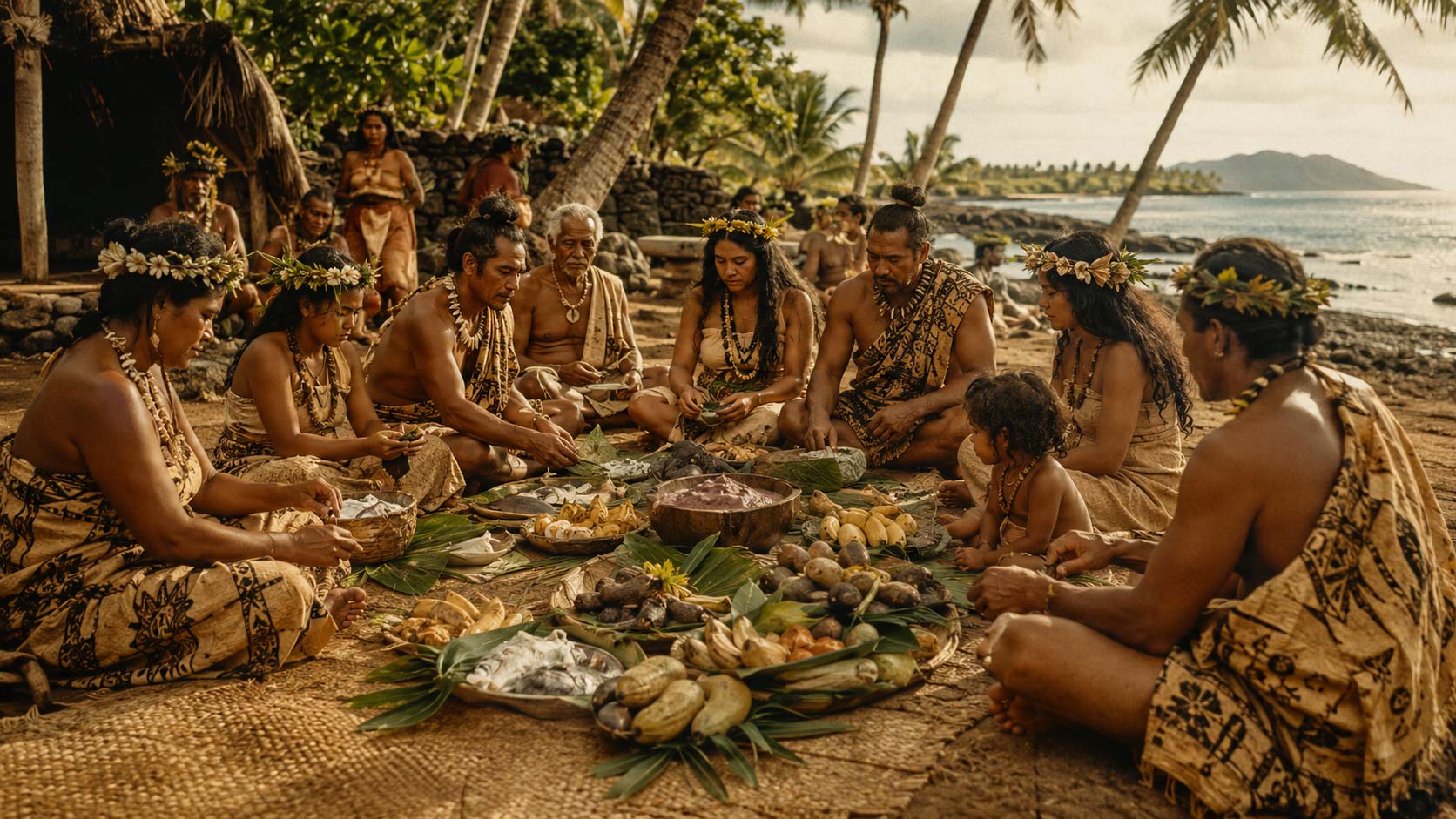
Long before anyone used the word luau, Hawaiians held grand feasts called aha aina and paina. These gatherings celebrated victories in battle, the launch of a great canoe, a good harvest, or the birth of a child. Food was prepared in the underground imu oven, and the community came together to share it.
These early feasts followed strict religious rules. Under the old kapu system, men and women were not allowed to eat together, and certain foods were forbidden to women entirely. A feast was not a casual party. It was tied closely to law, religion, and the order of Hawaiian society.
The Feast That Changed Everything in 1819
A turning point came in 1819. After the death of Kamehameha the Great, his son Liholiho became king as Kamehameha II. In a bold and history changing act, he sat down and ate together with women at a public feast. By openly breaking the eating kapu, he ended the old system of food restrictions in a single powerful moment.
This event, often called the free eating, opened the door for the shared, joyful feasts that would follow. Men and women dining together became normal, and the communal celebration slowly took on the relaxed, welcoming spirit we feel at a luau today.
How the Name Luau Came to Be
The word luau is actually newer than the feast itself. It comes from a popular dish made from the young, tender leaves of the taro plant, often cooked with coconut milk and chicken or octopus. The taro leaves themselves are called luau.
Around the 1850s, writers and visitors began using the name of that beloved dish to describe the whole feast. The name stuck, and over time luau replaced the older terms in everyday speech. A few simple points help keep the timeline clear.
- The feast itself is ancient, going back centuries as the aha aina or paina.
- The shared, open style of feasting took hold after 1819.
- The name luau only became common around the mid 1800s, borrowed from the taro leaf dish.
Carrying the Tradition Forward
When you attend a luau in Hawaii, you are doing more than enjoying a great meal and a beautiful show. You are stepping into a living tradition that has survived huge changes in island history, from ancient feasts bound by kapu to the open celebrations of today. That history is part of what makes a luau feel so special, and it is the reason we always encourage guests to attend with respect and curiosity. The food may be the draw, but the story behind it is the heart of the night.