In recent decades, the Siva has expanded beyond Samoa and into the wider Polynesian cultural scene, especially in Hawaiian Luaus. These festive gatherings, which celebrate the spirit of aloha with food, music, and dance, often include the Samoan dance as part of their entertainment lineup. Tourists attending Hawaiian Luaus are now treated to the elegant motions of Siva, making it a must-see part of the experience.
The Captivating Siva: The Heart of Samoan Dance
The Samoan dance, known as Siva, is a mesmerizing form of storytelling through movement. Originating in the islands of Samoa, this dance blends elegance, tradition, and meaning. Each step, gesture, and sway tells a story—often one of love, community, or daily life. Passed down through generations, the Siva has remained a central part of Samoan culture, preserving its rich heritage through rhythm and motion.
From Island Roots to Global Stages
The roots of Siva trace back centuries, embedded deeply in the communal and ceremonial life of Samoa. It was originally performed at important village gatherings, religious ceremonies, and family celebrations. Unlike many war dances found in Polynesia, the Siva is graceful and fluid, showcasing beauty rather than aggression. Dancers wear traditional attire such as the puletasi for women and lavalava for men, moving in harmony with the beat of the wooden log drum known as the pate.
A Dance That Bridges Cultures
Siva’s popularity in Hawaiian Luaus speaks to its ability to transcend cultural borders. Hawaii, a hub for Polynesian diversity, has embraced the Samoan dance as part of its celebration of island traditions. Luaus are no longer just Hawaiian in nature—they’ve become a vibrant fusion of the many Polynesian cultures that call the Pacific home. Siva adds a unique flavor to these events, distinguishing itself with its gentler tone and storytelling focus.
Miss Samoa Pageant Siva Dance
Preserving Identity Through Performance
For Samoan communities in Hawaii and beyond, performing the Siva at Hawaiian Luaus is also a way to stay connected to their heritage. Young dancers learn the Siva not only as a performance piece but as a form of cultural expression and pride. By sharing it on a larger stage, they help educate others about the depth of Samoan traditions while strengthening their own cultural identity.
The Role of Music in the Samoan Dance
Music is a crucial part of the Siva. Traditional instruments like the pate and the fala provide the rhythm, while singers or narrators may chant stories to guide the movements. In modern luaus, these elements are sometimes combined with contemporary instruments, but the essence of the Siva remains. Its tempo, usually slow and measured, allows dancers to focus on poise and precision.
Siva Afi – A Fiery Twist to Samoan Dance
Another form of Samoan dance gaining traction at Hawaiian Luaus is the Siva Afi, or fire knife dance. Though more intense and theatrical, it is still rooted in traditional Samoan warrior movements. Siva Afi often concludes luau performances, wowing audiences with its daring spins and flames. Together with the classic Siva, it showcases the full range of Samoan dance styles.
Why Siva Stands Out at Hawaiian Luaus
Among the many dances featured at Hawaiian Luaus, the Samoan dance stands out for its grace and emotional depth. While the hula is well-known for its beauty and meaning, Siva offers a different rhythm and storytelling tradition. Its quiet strength and elegance leave a lasting impression on audiences, making it a memorable part of any luau experience.
Keeping Tradition Alive in a Modern World
As tourism continues to grow in Hawaii, the demand for authentic Polynesian entertainment has increased. This has created more opportunities for traditional dances like the Siva to be showcased. Dance groups and cultural centers are committed to maintaining the authenticity of the Samoan dance, ensuring that what audiences see is more than just a performance—it’s a window into a living culture.
Siva: The Soul of the Samoan Dance
In conclusion, the Siva is more than a dance; it’s the soul of the Samoan people expressed through movement. Its inclusion in Hawaiian Luaus has brought new life to this ancient tradition, allowing it to reach wider audiences while preserving its cultural integrity. Whether performed on a village green or under the spotlight of a luau stage, the Samoan dance continues to inspire and connect people across the Pacific.
The Significance of Hula at Hawaiian Luaus
June 15, 2025
The Origins of the Hula: A Hawaiian Tradition
The hula is more than just a dance, it is a captivating cultural expression that dates back centuries in Hawaiian history. Originating in ancient Hawaii, the hula was developed as a way to tell stories, honor the gods, and preserve the rich history and legends of the islands. Unlike many dances around the world, hula combines graceful movements with chanting or singing, making it a unique and meaningful art form.
A Dance of Gods and Nature
Legend has it that the hula was created by the goddess Laka, who is revered as the patron of hula. Early Hawaiians believed that the dance was a sacred way to communicate with nature and the divine. The flowing motions mimic elements like the ocean waves, the swaying of palm trees, and the flight of birds. This deep connection to the natural world is a key reason the hula became an essential part of Hawaiian spirituality and community life.
Hawaiian Luaus: The Perfect Stage for Hula’s Magic
When it comes to Hawaiian luaus, the hula holds a place of honor. A luau is a traditional Hawaiian feast where family, friends, and visitors gather to celebrate with food, music, and dance. The inclusion of the hula at these gatherings transforms the event from a simple meal into a lively cultural experience. The dance brings the stories of the islands to life, captivating audiences and creating a festive atmosphere.
Storytelling Through Movement at Hawaiian Luaus
One of the most exciting aspects of the hula is its role as a storytelling medium. Each gesture and movement has meaning, representing words, emotions, or elements of nature. During Hawaiian luaus, the hula dancers recount legends of heroes, gods, love, and the beauty of the islands. This storytelling tradition educates guests about Hawaii’s history and culture in a way that is entertaining and immersive.
The Evolution of Hula
Over time, the hula has evolved from its sacred ritual into a performance art enjoyed worldwide. Still, its presence at Hawaiian luaus remains deeply symbolic. Luaus celebrate community and heritage, and the hula connects everyone to those roots. Modern luaus often feature both traditional hula, called “kahiko,” with its chanting and ancient costumes, and “auana,” the more contemporary style with melodic songs and fluid movements.
Why Hawaiian Luaus Without Hula Would Feel Incomplete
Imagine attending a Hawaiian luau without the hula, it would be like missing the heart of the celebration. The dance energizes the event, inviting participation and shared joy. It embodies the aloha spirit of warmth, welcome, and respect. The hula’s presence at luaus is a living reminder of the islands’ vibrant culture and the enduring legacy of its people.
Hawaiian Luaus: A Connection to Identity & Pride
For native Hawaiians, the hula is a powerful expression of identity and pride. At luaus, performing or watching the hula is a way to honor ancestors and keep traditions alive. This cultural continuity strengthens community bonds and educates visitors, fostering appreciation and respect for Hawaiian heritage.
The Role of Music and Chanting
Integral to the hula is the music—whether chanting ancient verses or playing ukuleles and drums. At Hawaiian luaus, these sounds create an immersive environment that transports guests to the heart of Hawaiian culture. The rhythm guides the dancers and enhances the storytelling, making the performance a sensory celebration of island life.
How Tourists & Locals Celebrate with Hula at Hawaiian Luaus
Hawaiian luaus attract visitors from around the world, eager to experience authentic island culture. The hula offers a window into the soul of Hawaii, sparking excitement and curiosity. For locals, it’s a cherished tradition and a joyful expression of community. This blend of audiences makes luaus a vibrant cultural exchange, with the hula at the center.
The Enduring Significance of Hula at Hawaiian Luaus
In today’s fast-paced world, the hula continues to be a vital part of Hawaiian luaus, connecting past and present. It’s a celebration of nature, history, and human creativity that invites everyone to join in the aloha spirit. Whether you’re a first-time visitor or a lifelong islander, the hula at a Hawaiian luau offers an unforgettable glimpse into the heart of Hawaii.
What is the Hula?
September 6, 2024
The Hula dance is an exciting and vibrant tradition from Hawaii that captivates people around the world. With its graceful movements and beautiful music, the Hula is more than just a dance, it represents tradition & pride of Hawaiian culture and history. Let’s dive into what makes the Hula so special, from its roots to its modern-day adaptations!
The Hula Dance
The Hula, like all other Polynesian dances, is a dance form that uses body movements, gestures, and facial expressions to tell stories. Traditionally performed to the rhythm of Hawaiian music, the Hula can be a joyous and lively dance or a slow and solemn performance. Dancers often wear colorful costumes, including flower leis and grass skirts, which add to the visual beauty of the dance. Every movement in Hula has a specific meaning and tells part of a story. For example, swaying hips might represent the ocean waves, while hand gestures could mimic the movement of flowers or animals. These gestures, called “hula chants,” help convey the narrative of the dance, connecting the performers with their audience through a shared story.
Performances by Women
Women’s Hula often features fluid, graceful movements that emphasize the elegance of the dance. They typically wear flower leis and colorful skirts, moving their hips and hands in gentle, flowing motions to represent elements like the ocean or flowers. Their dance is known for its soft, rhythmic quality that mirrors the beauty and delicacy of Hawaiian nature.
Performances by Men
On the other hand, men’s Hula performances are generally more robust and vigorous. Men often wear traditional attire such as malo (loincloth) and a le po’o (headdress), typically made from native Hawaiian flowers and foilage. Their dance movements are strong and rhythmic, their steps are more pronounced, often mimicking the actions of warriors or celebrating the strength of nature. The difference in style highlights the diverse ways in which both men and women express their connection to Hawaiian culture through Hula.
https://youtu.be/BFT-M18N2A4?si=EBAN3zvzPn1Y3RD5
Male Hula Dancers on Oahu
What do you call a Hula Instructor?
In the world of Hula, a Kumu is a highly respected teacher and expert in the art of Hula dancing. The term “Kumu” means “source” or “teacher” in Hawaiian, reflecting their role in preserving and passing on the knowledge and traditions of Hula. A Kumu not only teaches dance moves but also educates students about the cultural significance and stories behind the movements.
The Tradition of the Hula and what it is Today
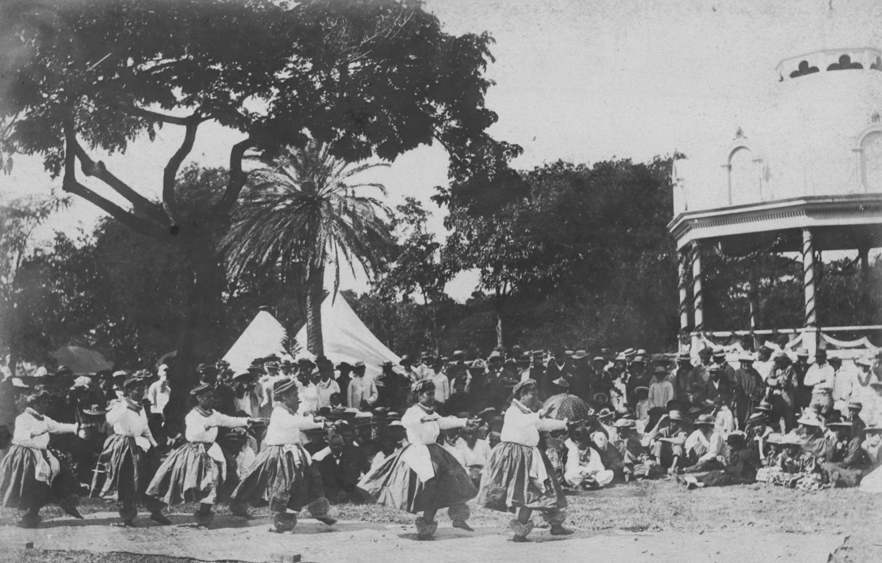
Hawaiians performing the Hula in 1885 for King Kalakau’s 49th birthday. Author Edward Arning (1854-1936)
Hula has deep roots in Hawaiian history and tradition. It is believed that the dance was first performed by ancient Hawaiians as part of their religious ceremonies and rituals. Over time, the Hula evolved to include themes of love, nature, and daily life, making it a rich tapestry of Hawaiian storytelling. Traditional Hula is often performed in special ceremonies and celebrations, preserving its cultural significance.
Today, the Hula continues to evolve and adapt to contemporary times. Modern Hula incorporates new music styles and dance techniques while still honoring traditional elements. This fusion creates a dynamic and exciting performance that appeals to a wide audience. Modern Hula can be seen in cultural festivals, dance competitions, and even popular entertainment, showcasing its versatility and ongoing relevance. The largest of the ceremonies being the Merrie Monarch Festival, held annually on the Big Island at the end of March/beginning of April. For relevance, you could refer to this as the Olympics of Hula. It is a week long festival that is truly amazing to behold.
The Hula dance is much more than just an artistic performance at a luau, it is also significant to Hawaiians in preserving their culture. By learning and practicing the Hula, people can gain a deeper appreciation for the traditions and stories of Hawaii. Whether you are watching a performance or enjoying a modern adaptation, you are gaining knowledge of Hawaiian culture and what makes Hawaii so special to the rest of the world.
 Hawaii Luaus