 Hawaii Luaus
The Elegant Dance of Samoa at Hawaiian Luaus
June 18, 2025
Siva’s Journey to Hawaiian Luaus
In recent decades, the Siva has expanded beyond Samoa and into the wider Polynesian cultural scene, especially in Hawaiian Luaus. These festive gatherings, which celebrate the spirit of aloha with food, music, and dance, often include the Samoan dance as part of their entertainment lineup. Tourists attending Hawaiian Luaus are now treated to the elegant motions of Siva, making it a must-see part of the experience.
The Captivating Siva: The Heart of Samoan Dance
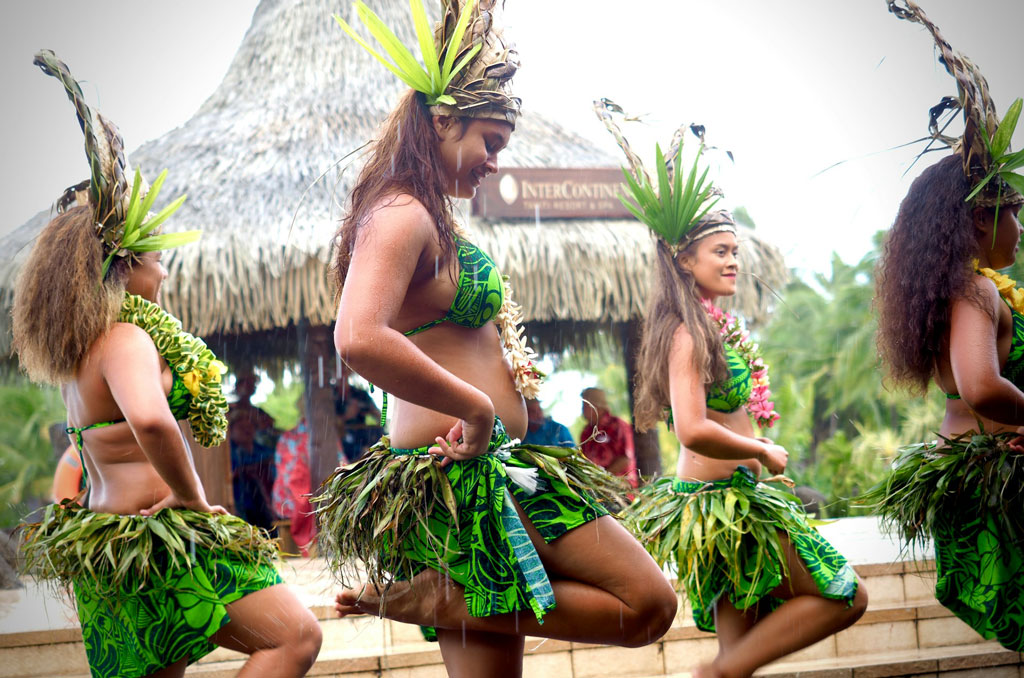
The Samoan dance, known as Siva, is a mesmerizing form of storytelling through movement. Originating in the islands of Samoa, this dance blends elegance, tradition, and meaning. Each step, gesture, and sway tells a story—often one of love, community, or daily life. Passed down through generations, the Siva has remained a central part of Samoan culture, preserving its rich heritage through rhythm and motion.
From Island Roots to Global Stages
The roots of Siva trace back centuries, embedded deeply in the communal and ceremonial life of Samoa. It was originally performed at important village gatherings, religious ceremonies, and family celebrations. Unlike many war dances found in Polynesia, the Siva is graceful and fluid, showcasing beauty rather than aggression. Dancers wear traditional attire such as the puletasi for women and lavalava for men, moving in harmony with the beat of the wooden log drum known as the pate.
A Dance That Bridges Cultures
Siva’s popularity in Hawaiian Luaus speaks to its ability to transcend cultural borders. Hawaii, a hub for Polynesian diversity, has embraced the Samoan dance as part of its celebration of island traditions. Luaus are no longer just Hawaiian in nature—they’ve become a vibrant fusion of the many Polynesian cultures that call the Pacific home. Siva adds a unique flavor to these events, distinguishing itself with its gentler tone and storytelling focus.
Miss Samoa Pageant Siva Dance
Preserving Identity Through Performance
For Samoan communities in Hawaii and beyond, performing the Siva at Hawaiian Luaus is also a way to stay connected to their heritage. Young dancers learn the Siva not only as a performance piece but as a form of cultural expression and pride. By sharing it on a larger stage, they help educate others about the depth of Samoan traditions while strengthening their own cultural identity.
The Role of Music in the Samoan Dance
Music is a crucial part of the Siva. Traditional instruments like the pate and the fala provide the rhythm, while singers or narrators may chant stories to guide the movements. In modern luaus, these elements are sometimes combined with contemporary instruments, but the essence of the Siva remains. Its tempo, usually slow and measured, allows dancers to focus on poise and precision.
Siva Afi – A Fiery Twist to Samoan Dance
Another form of Samoan dance gaining traction at Hawaiian Luaus is the Siva Afi, or fire knife dance. Though more intense and theatrical, it is still rooted in traditional Samoan warrior movements. Siva Afi often concludes luau performances, wowing audiences with its daring spins and flames. Together with the classic Siva, it showcases the full range of Samoan dance styles.
Why Siva Stands Out at Hawaiian Luaus
Among the many dances featured at Hawaiian Luaus, the Samoan dance stands out for its grace and emotional depth. While the hula is well-known for its beauty and meaning, Siva offers a different rhythm and storytelling tradition. Its quiet strength and elegance leave a lasting impression on audiences, making it a memorable part of any luau experience.
Keeping Tradition Alive in a Modern World
As tourism continues to grow in Hawaii, the demand for authentic Polynesian entertainment has increased. This has created more opportunities for traditional dances like the Siva to be showcased. Dance groups and cultural centers are committed to maintaining the authenticity of the Samoan dance, ensuring that what audiences see is more than just a performance—it’s a window into a living culture.
Siva: The Soul of the Samoan Dance
In conclusion, the Siva is more than a dance; it’s the soul of the Samoan people expressed through movement. Its inclusion in Hawaiian Luaus has brought new life to this ancient tradition, allowing it to reach wider audiences while preserving its cultural integrity. Whether performed on a village green or under the spotlight of a luau stage, the Samoan dance continues to inspire and connect people across the Pacific.