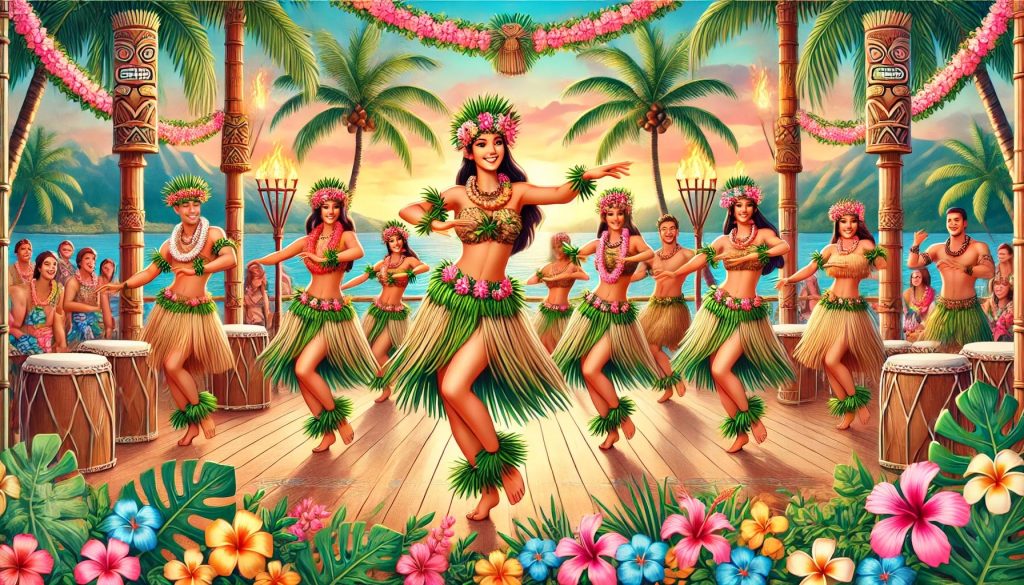
In recent decades, the Siva has expanded beyond Samoa and into the wider Polynesian cultural scene, especially in Hawaiian Luaus. These festive gatherings, which celebrate the spirit of aloha with food, music, and dance, often include the Samoan dance as part of their entertainment lineup. Tourists attending Hawaiian Luaus are now treated to the elegant motions of Siva, making it a must-see part of the experience.
The Captivating Siva: The Heart of Samoan Dance
The Samoan dance, known as Siva, is a mesmerizing form of storytelling through movement. Originating in the islands of Samoa, this dance blends elegance, tradition, and meaning. Each step, gesture, and sway tells a story—often one of love, community, or daily life. Passed down through generations, the Siva has remained a central part of Samoan culture, preserving its rich heritage through rhythm and motion.
From Island Roots to Global Stages
The roots of Siva trace back centuries, embedded deeply in the communal and ceremonial life of Samoa. It was originally performed at important village gatherings, religious ceremonies, and family celebrations. Unlike many war dances found in Polynesia, the Siva is graceful and fluid, showcasing beauty rather than aggression. Dancers wear traditional attire such as the puletasi for women and lavalava for men, moving in harmony with the beat of the wooden log drum known as the pate.
A Dance That Bridges Cultures
Siva’s popularity in Hawaiian Luaus speaks to its ability to transcend cultural borders. Hawaii, a hub for Polynesian diversity, has embraced the Samoan dance as part of its celebration of island traditions. Luaus are no longer just Hawaiian in nature—they’ve become a vibrant fusion of the many Polynesian cultures that call the Pacific home. Siva adds a unique flavor to these events, distinguishing itself with its gentler tone and storytelling focus.
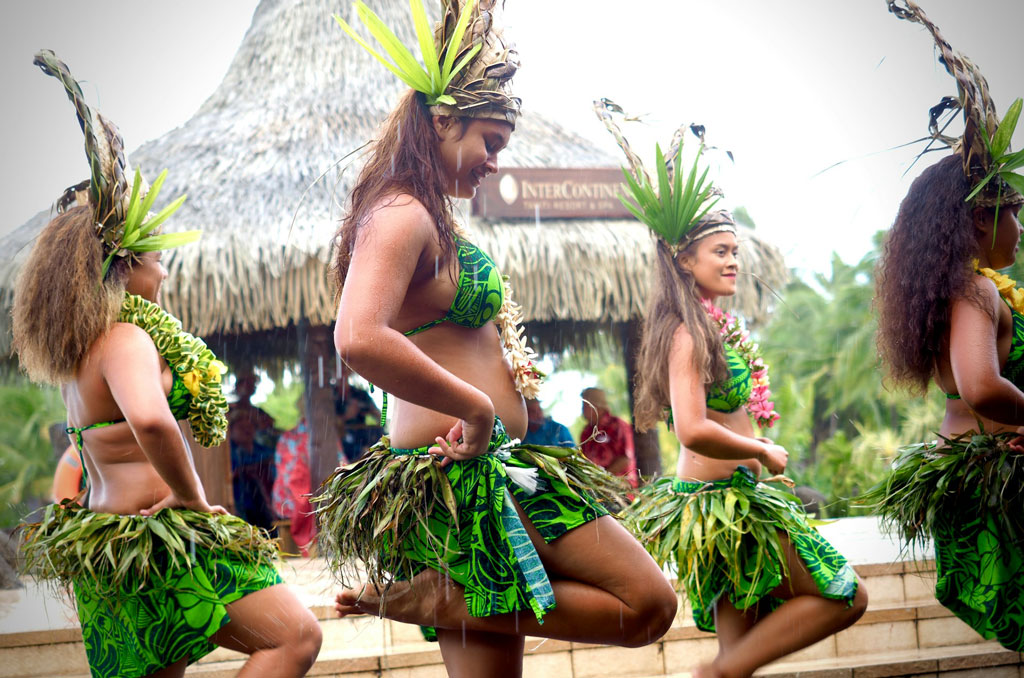
Miss Samoa Pageant Siva Dance
Preserving Identity Through Performance
For Samoan communities in Hawaii and beyond, performing the Siva at Hawaiian Luaus is also a way to stay connected to their heritage. Young dancers learn the Siva not only as a performance piece but as a form of cultural expression and pride. By sharing it on a larger stage, they help educate others about the depth of Samoan traditions while strengthening their own cultural identity.
The Role of Music in the Samoan Dance
Music is a crucial part of the Siva. Traditional instruments like the pate and the fala provide the rhythm, while singers or narrators may chant stories to guide the movements. In modern luaus, these elements are sometimes combined with contemporary instruments, but the essence of the Siva remains. Its tempo, usually slow and measured, allows dancers to focus on poise and precision.
Siva Afi – A Fiery Twist to Samoan Dance
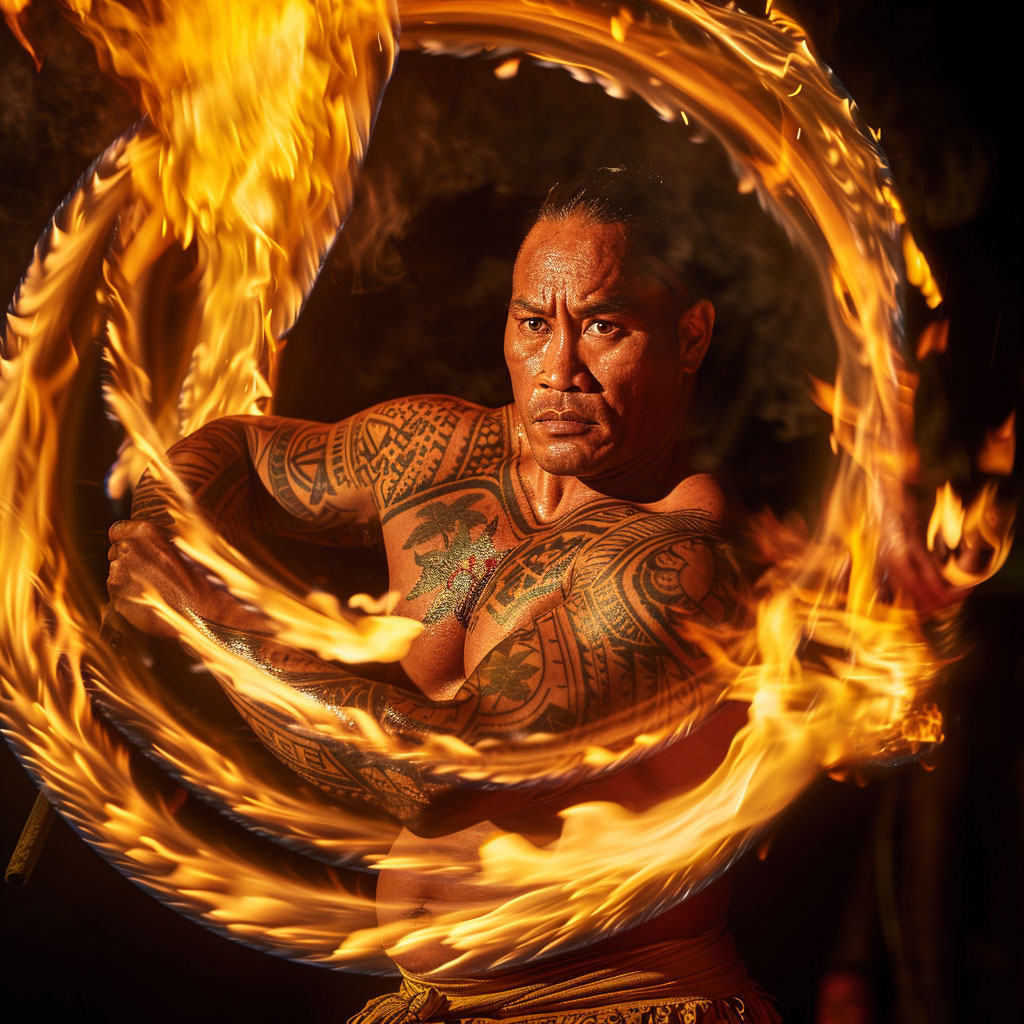
Another form of Samoan dance gaining traction at Hawaiian Luaus is the Siva Afi, or fire knife dance. Though more intense and theatrical, it is still rooted in traditional Samoan warrior movements. Siva Afi often concludes luau performances, wowing audiences with its daring spins and flames. Together with the classic Siva, it showcases the full range of Samoan dance styles.
Why Siva Stands Out at Hawaiian Luaus
Among the many dances featured at Hawaiian Luaus, the Samoan dance stands out for its grace and emotional depth. While the hula is well-known for its beauty and meaning, Siva offers a different rhythm and storytelling tradition. Its quiet strength and elegance leave a lasting impression on audiences, making it a memorable part of any luau experience.
Keeping Tradition Alive in a Modern World
As tourism continues to grow in Hawaii, the demand for authentic Polynesian entertainment has increased. This has created more opportunities for traditional dances like the Siva to be showcased. Dance groups and cultural centers are committed to maintaining the authenticity of the Samoan dance, ensuring that what audiences see is more than just a performance—it’s a window into a living culture.
Siva: The Soul of the Samoan Dance
In conclusion, the Siva is more than a dance; it’s the soul of the Samoan people expressed through movement. Its inclusion in Hawaiian Luaus has brought new life to this ancient tradition, allowing it to reach wider audiences while preserving its cultural integrity. Whether performed on a village green or under the spotlight of a luau stage, the Samoan dance continues to inspire and connect people across the Pacific.
The Significance of Hula at Hawaiian Luaus
June 15, 2025
The Origins of the Hula: A Hawaiian Tradition
The hula is more than just a dance, it is a captivating cultural expression that dates back centuries in Hawaiian history. Originating in ancient Hawaii, the hula was developed as a way to tell stories, honor the gods, and preserve the rich history and legends of the islands. Unlike many dances around the world, hula combines graceful movements with chanting or singing, making it a unique and meaningful art form.
A Dance of Gods and Nature
Legend has it that the hula was created by the goddess Laka, who is revered as the patron of hula. Early Hawaiians believed that the dance was a sacred way to communicate with nature and the divine. The flowing motions mimic elements like the ocean waves, the swaying of palm trees, and the flight of birds. This deep connection to the natural world is a key reason the hula became an essential part of Hawaiian spirituality and community life.
Hawaiian Luaus: The Perfect Stage for Hula’s Magic
When it comes to Hawaiian luaus, the hula holds a place of honor. A luau is a traditional Hawaiian feast where family, friends, and visitors gather to celebrate with food, music, and dance. The inclusion of the hula at these gatherings transforms the event from a simple meal into a lively cultural experience. The dance brings the stories of the islands to life, captivating audiences and creating a festive atmosphere.
Storytelling Through Movement at Hawaiian Luaus
One of the most exciting aspects of the hula is its role as a storytelling medium. Each gesture and movement has meaning, representing words, emotions, or elements of nature. During Hawaiian luaus, the hula dancers recount legends of heroes, gods, love, and the beauty of the islands. This storytelling tradition educates guests about Hawaii’s history and culture in a way that is entertaining and immersive.
The Evolution of Hula
Over time, the hula has evolved from its sacred ritual into a performance art enjoyed worldwide. Still, its presence at Hawaiian luaus remains deeply symbolic. Luaus celebrate community and heritage, and the hula connects everyone to those roots. Modern luaus often feature both traditional hula, called “kahiko,” with its chanting and ancient costumes, and “auana,” the more contemporary style with melodic songs and fluid movements.
Why Hawaiian Luaus Without Hula Would Feel Incomplete
Imagine attending a Hawaiian luau without the hula, it would be like missing the heart of the celebration. The dance energizes the event, inviting participation and shared joy. It embodies the aloha spirit of warmth, welcome, and respect. The hula’s presence at luaus is a living reminder of the islands’ vibrant culture and the enduring legacy of its people.
Hawaiian Luaus: A Connection to Identity & Pride
For native Hawaiians, the hula is a powerful expression of identity and pride. At luaus, performing or watching the hula is a way to honor ancestors and keep traditions alive. This cultural continuity strengthens community bonds and educates visitors, fostering appreciation and respect for Hawaiian heritage.
The Role of Music and Chanting
Integral to the hula is the music—whether chanting ancient verses or playing ukuleles and drums. At Hawaiian luaus, these sounds create an immersive environment that transports guests to the heart of Hawaiian culture. The rhythm guides the dancers and enhances the storytelling, making the performance a sensory celebration of island life.
How Tourists & Locals Celebrate with Hula at Hawaiian Luaus
Hawaiian luaus attract visitors from around the world, eager to experience authentic island culture. The hula offers a window into the soul of Hawaii, sparking excitement and curiosity. For locals, it’s a cherished tradition and a joyful expression of community. This blend of audiences makes luaus a vibrant cultural exchange, with the hula at the center.
The Enduring Significance of Hula at Hawaiian Luaus
In today’s fast-paced world, the hula continues to be a vital part of Hawaiian luaus, connecting past and present. It’s a celebration of nature, history, and human creativity that invites everyone to join in the aloha spirit. Whether you’re a first-time visitor or a lifelong islander, the hula at a Hawaiian luau offers an unforgettable glimpse into the heart of Hawaii.
What is the Hula?
September 6, 2024
The Hula dance is an exciting and vibrant tradition from Hawaii that captivates people around the world. With its graceful movements and beautiful music, the Hula is more than just a dance, it represents tradition & pride of Hawaiian culture and history. Let’s dive into what makes the Hula so special, from its roots to its modern-day adaptations!
The Hula Dance
The Hula, like all other Polynesian dances, is a dance form that uses body movements, gestures, and facial expressions to tell stories. Traditionally performed to the rhythm of Hawaiian music, the Hula can be a joyous and lively dance or a slow and solemn performance. Dancers often wear colorful costumes, including flower leis and grass skirts, which add to the visual beauty of the dance. Every movement in Hula has a specific meaning and tells part of a story. For example, swaying hips might represent the ocean waves, while hand gestures could mimic the movement of flowers or animals. These gestures, called “hula chants,” help convey the narrative of the dance, connecting the performers with their audience through a shared story.
Performances by Women
Women’s Hula often features fluid, graceful movements that emphasize the elegance of the dance. They typically wear flower leis and colorful skirts, moving their hips and hands in gentle, flowing motions to represent elements like the ocean or flowers. Their dance is known for its soft, rhythmic quality that mirrors the beauty and delicacy of Hawaiian nature.
Performances by Men
On the other hand, men’s Hula performances are generally more robust and vigorous. Men often wear traditional attire such as malo (loincloth) and a le po’o (headdress), typically made from native Hawaiian flowers and foilage. Their dance movements are strong and rhythmic, their steps are more pronounced, often mimicking the actions of warriors or celebrating the strength of nature. The difference in style highlights the diverse ways in which both men and women express their connection to Hawaiian culture through Hula.
https://youtu.be/BFT-M18N2A4?si=EBAN3zvzPn1Y3RD5
Male Hula Dancers on Oahu
What do you call a Hula Instructor?
In the world of Hula, a Kumu is a highly respected teacher and expert in the art of Hula dancing. The term “Kumu” means “source” or “teacher” in Hawaiian, reflecting their role in preserving and passing on the knowledge and traditions of Hula. A Kumu not only teaches dance moves but also educates students about the cultural significance and stories behind the movements.
The Tradition of the Hula and what it is Today
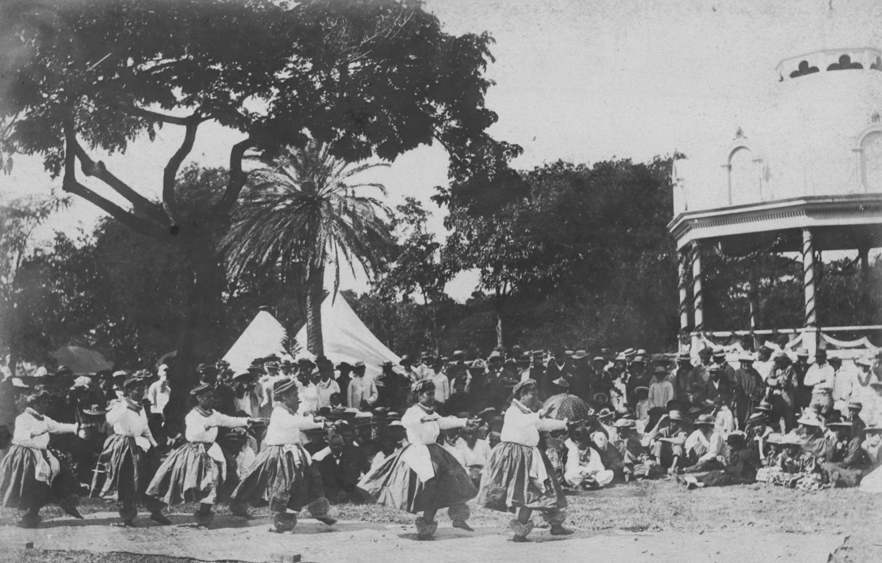
Hawaiians performing the Hula in 1885 for King Kalakau’s 49th birthday. Author Edward Arning (1854-1936)
Hula has deep roots in Hawaiian history and tradition. It is believed that the dance was first performed by ancient Hawaiians as part of their religious ceremonies and rituals. Over time, the Hula evolved to include themes of love, nature, and daily life, making it a rich tapestry of Hawaiian storytelling. Traditional Hula is often performed in special ceremonies and celebrations, preserving its cultural significance.
Today, the Hula continues to evolve and adapt to contemporary times. Modern Hula incorporates new music styles and dance techniques while still honoring traditional elements. This fusion creates a dynamic and exciting performance that appeals to a wide audience. Modern Hula can be seen in cultural festivals, dance competitions, and even popular entertainment, showcasing its versatility and ongoing relevance. The largest of the ceremonies being the Merrie Monarch Festival, held annually on the Big Island at the end of March/beginning of April. For relevance, you could refer to this as the Olympics of Hula. It is a week long festival that is truly amazing to behold.
The Hula dance is much more than just an artistic performance at a luau, it is also significant to Hawaiians in preserving their culture. By learning and practicing the Hula, people can gain a deeper appreciation for the traditions and stories of Hawaii. Whether you are watching a performance or enjoying a modern adaptation, you are gaining knowledge of Hawaiian culture and what makes Hawaii so special to the rest of the world.
What Dances are at the Luaus?
July 17, 2024
Discover the Island Dances at a Hawaiian Luau
Many believe a Hawaiian Luau is only about the Hula, the ancient Hawaiian dance that represents the islands. What they don’t know is that it’s a lively celebration of all of Polynesian culture and tradition, featuring a variety of island dances that tell the rich stories of different Polynesian islands. The islands represented; Samoa, New Zealand, Tahiti, Fiji, Tonga, and of course, Hawaii. Each dance has its own unique history and significance, adding depth to the festivities. Let’s explore the island dances showcased at these amazing events!
Hula: The Heartbeat of Hawaii
Hula is the iconic dance of Hawaii, cherished for its graceful movements and deep cultural roots. Originating from ancient Hawaiian traditions, hula dancers use their hands, hips, and feet to narrate stories of gods, nature, and daily life. Traditionally performed in chants called ‘mele,’ hula is more than just a dance; it’s a way to preserve and pass down Hawaiian history and mythology through generations.
https://youtu.be/BLjwluzYtM4?si=jHjqKZa3SPMUPH23
Siva: The Elegant Dance of Samoa
From Samoa comes the Siva, a dance that embodies elegance and grace. Unlike the vigorous dance styles of other Polynesian islands, the Siva focuses on smooth, flowing movements that reflect the dancer’s inner calm and poise. Historically, this dance was performed at social gatherings and ceremonies, showcasing the dancer’s skill and refinement. The Siva is a beautiful expression of Samoan culture and pride.
Kapa Haka: The Energetic Performance of New Zealand
New Zealand’s contribution to the luau is the Kapa Haka, a dynamic performance that combines song, dance, and chant. This traditional Maori performance is known for its powerful energy and expressive movements, often including the famous haka, a fierce dance traditionally performed by warriors before battle. Kapa Haka performances celebrate Maori heritage and serve as a vibrant expression of cultural identity.
Ori Tahiti: The Passionate Dance of Tahiti
The Ori Tahiti, or Tahitian dance, is famous for its high-energy, rhythmic movements, especially the distinctive hip-shaking and rapid footwork. Originating from Tahiti, this dance is performed to celebrate life’s joys and important occasions. Its lively tempo and colorful costumes make Ori Tahiti a standout attraction at any luau, capturing the spirit and vibrancy of Tahitian culture.
Meke: The Colorful Dance of Fiji
The traditional dance of Fiji, known as the Meke, is a vibrant and captivating performance that embodies the island’s rich cultural heritage. This dance involves intricate footwork, expressive hand movements, and lively rhythms, often performed to celebrate special occasions or tell ancient Fijian stories. Dancers wear colorful costumes and use traditional instruments like drums and gongs to enhance the performance. The Meke is not just entertainment; it’s a powerful way for Fijians to connect with their history and express their identity. Attending a Meke performance is a fantastic way to experience the heart of Fijian culture and enjoy the dynamic artistry of this beautiful island nation.
Tau’olunga: The Graceful Dance of Tonga
From the islands of Tonga comes the Tau’olunga, a dance characterized by its fluid, graceful movements and intricate hand gestures. Traditionally performed by young women, the Tau’olunga is a highlight at Tongan ceremonies and festivals, symbolizing beauty and cultural pride. The dance often includes storytelling elements that convey messages of respect and reverence.
Lakalaka: The Proud Dance of Tonga
Another exciting Tongan dance featured at luaus is the Lakalaka. This group dance involves synchronized movements and is typically performed during important celebrations. The Lakalaka is notable for its emphasis on unity and collective performance, showcasing the strength and harmony of Tongan communities. It’s a captivating display of cultural heritage and communal spirit.
Each of these island dances brings a unique flavor to the Hawaiian Luau, offering guests a chance to experience the diverse cultures of the Polynesian islands. Whether through the graceful sways of Hula or the energetic rhythms of Ori Tahiti, these dances create an unforgettable celebration of Polynesian heritage and artistry.
What is Hawaiian Poke?
July 8, 2024
Traditional Hawaiian Poke
Hawaiian poke, pronounced “poh-kay,” is a beloved dish originating from the islands that is served at Hawaiian Luaus and is gaining popularity worldwide. One of the most cherished varieties is raw ahi tuna, popular for its buttery texture and rich flavor. Traditionally, ahi tuna is cubed and marinated in a blend of soy sauce, sesame oil, onions, and sometimes seaweed or sesame seeds. This combination not only enhances the natural taste of the tuna but also reflects the cultural fusion found in Hawaiian cuisine. For those who are fans of sashimi, you will absolutely love poke.
Octopus Poke
Beyond ahi tuna, poke offers an array of seafood options, including octopus. Octopus poke (he’e in Hawaiian), is mainly referred to as “Tako”. Tako, is Japanese for octopus which highlights the Asian influence across the islands and almost everywhere you go on the islands, locals will refer to it as such. If you’re a fan of eating octopus, this poke is marinated similarly to ahi tuna but with a unique twist of Hawaiian sea salt and perhaps a touch of chili pepper water for a bit of heat.
The Poke Bowl
Poke bowls have become a trendy way to enjoy this traditional dish. These bowls typically start with a base of rice, either white or brown, topped with generous portions of marinated poke, and accompanied by a colorful assortment of toppings such as avocado, seaweed salad, cucumber, and edamame. The combination of textures and flavors makes poke bowls not only delicious but also visually appealing, appealing to both taste buds and Instagram feeds alike.
Poke vs Sushi
What sets poke apart from other seafood dishes like sushi is its seasoning and preparation. While sushi emphasizes vinegared rice and raw fish, poke focuses on marinated chunks of fish or seafood. The marinade, often a blend of soy sauce, sesame oil, green onions, and sometimes spicy seasonings, infuses the fish with bold flavors that develop over time, creating a harmony of taste sensations with every bite.
While both sushi and poke feature raw fish, their preparation and presentation diverge significantly. Sushi is characterized by its vinegared rice base, often rolled with seaweed and accompanied by various toppings or fillings. In contrast, poke is primarily about the fish itself, marinated to enhance its natural flavors, served either on its own or atop a bed of rice or greens.
Roots of Poke into Hawaiian Culture
Poke has deep roots in Hawaiian culture, originating as a simple dish enjoyed by native Hawaiians who would season freshly caught fish with whatever ingredients were available—often sea salt, seaweed, and crushed kukui nuts. This early form of poke was not just a meal but a way of life, embodying a deep connection to the land and sea. Today, poke remains a staple in Hawaiian cuisine, evolving to include a variety of flavors and ingredients while still honoring its traditional roots.
For Hawaiians, poke represents more than just a dish; it symbolizes community, tradition, and respect for the environment. The act of preparing poke often involves sharing stories and knowledge about fishing practices and the importance of sustainability. By preserving and celebrating poke, Hawaiians preserve a piece of their cultural heritage while embracing the future of culinary creativity.
Poke Goes Global
In recent years, poke has gained popularity worldwide, with restaurants from New York to Tokyo offering their take on this Hawaiian classic. The simplicity of fresh fish combined with vibrant flavors has captivated food enthusiasts everywhere, leading to a global poke phenomenon that continues to grow.
As poke continues to evolve, chefs are experimenting with new ingredients and flavors while staying true to its Hawaiian roots. Whether enjoyed in a traditional bowl on the shores of Oahu or as a trendy appetizer at a bustling city restaurant, poke remains a dish that bridges cultures and connects people through a shared love of food and flavor.
Dig-in and Enjoy!
Hawaiian poke is more than just a dish—it’s a cultural experience that celebrates the bounty of the islands and the creativity of its people. From its humble origins to its global popularity, poke continues to captivate with its fresh ingredients, bold flavors, and rich traditions. Whether you’re a seafood lover or a culinary adventurer, exploring the world of poke promises a delicious journey into the heart of Hawaiian cuisine.
What are Authentic Hawaiian Foods?
July 5, 2024
Exploring the Delights of Traditional Hawaiian Cuisine
Hawaii’s traditional cuisine is a vibrant tapestry of flavors that reflect the islands’ rich cultural heritage and natural bounty. From succulent kalua pork to refreshing haupia pie, each dish tells a story of Hawaii’s history and local ingredients.
Lomi-Lomi Salmon
This dish offers a taste of Hawaii’s coastal treasures. This traditional dish combines diced salted salmon with tomatoes, onions, and sometimes chili peppers. The ingredients are gently massaged together (lomi-lomi means “massage” in Hawaiian) to blend the flavors harmoniously. The dish is both refreshing and savory, showcasing the island’s affinity for fresh seafood.
Squid Luau
Not for the faint of heart, squid luau is for all of you diehard sea food lovers out there. It is another island favorite that combines tender squid with taro leaves cooked in coconut milk. The result is a creamy, savory dish with a hint of sweetness from the coconut. It’s a comforting dish that highlights traditional Hawaiian ingredients and cooking techniques.
Kalua Pork
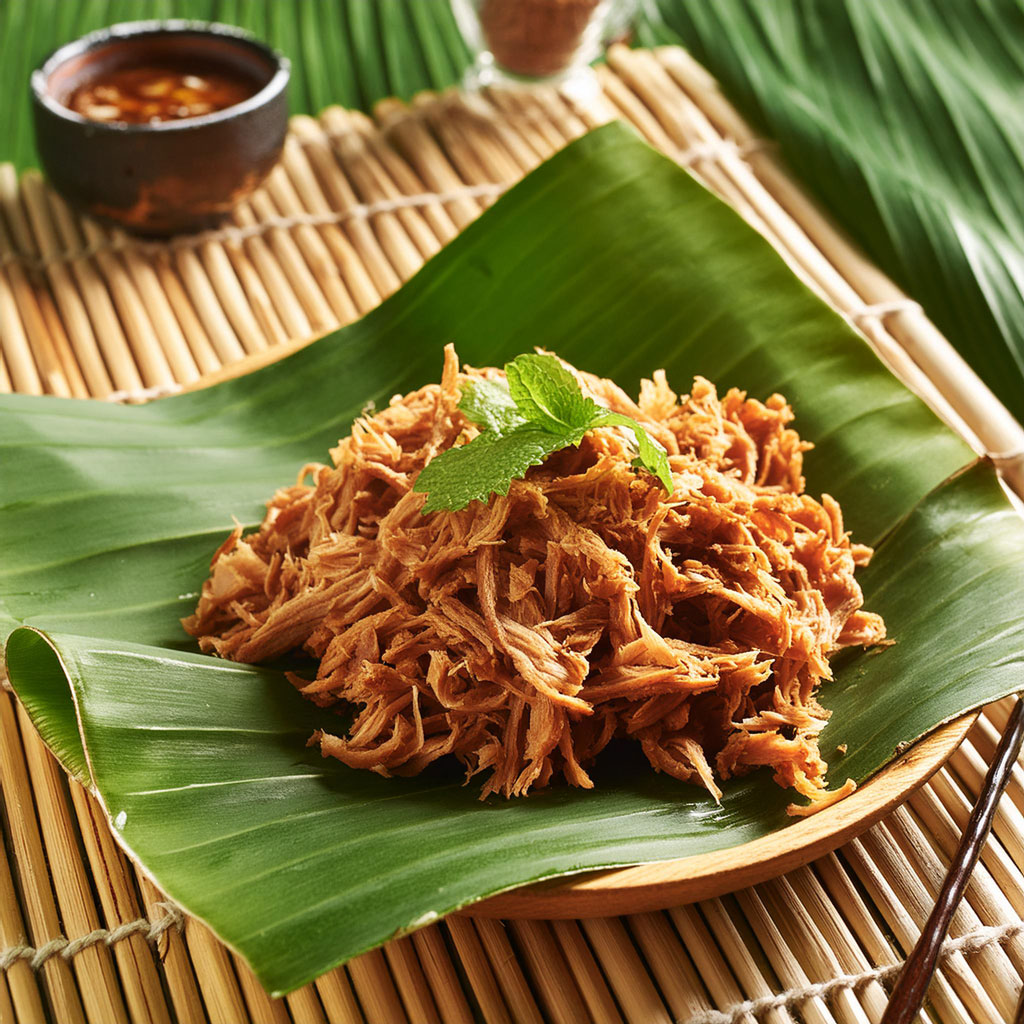
This is the centerpiece of Hawaiian feasts, it is prepared by slow-roasting a whole pig in an underground oven called an imu. The result is tender, smoky meat that melts in your mouth, infused with flavors of sea salt and natural juices. It’s a dish that honors ancient Hawaiian cooking methods and celebrates community gatherings.
Pork Lau Lau
A personal favorite of mine is pork lau lau. Tender pork is usually seasoned with Hawaiian sea salt and wrapped in taro & ti leaves, is steamed until it melts in your mouth. The leaves impart a unique earthy flavor to the pork, creating a dish that is both hearty and wholesome. Lau lau is often enjoyed at celebrations and family gatherings, embodying the spirit of aloha.
Ahi Poke
Poke Ahi is a traditional Hawaiian dish that features fresh, cubed pieces of raw yellowfin tuna, also known as ahi. The tuna is typically marinated in a flavorful blend of soy sauce, sesame oil, green onions, and sometimes sesame seeds or chili flakes for added spice. This dish is often served as an appetizer or a light meal, showcasing the natural taste and texture of the tuna while offering a mix of savory and umami flavors. Poke Ahi has gained popularity beyond Hawaii, becoming a favorite choice for seafood enthusiasts seeking a fresh and vibrant dining experience.
Chicken Long Rice
Chicken long rice is a traditional dish from the Pacific Islands, particularly popular in Hawaiian cuisine. It typically consists of tender pieces of chicken simmered in a savory broth with long rice noodles, which are thin and transparent, resembling bean thread noodles. The dish is seasoned with garlic, ginger, soy sauce, and often includes vegetables such as carrots, celery, and mushrooms. Long rice chicken is known for its light and comforting flavors, with the noodles soaking up the delicious broth and complementing the tender chicken. It’s a hearty and satisfying meal that reflects the diverse culinary influences found in Pacific Island cuisine.
Poi
Many will give this mixed reviews given it doesn’t look appetizing. Poi is a staple of the Hawaiian diet made from taro root. The root is cooked and pounded to create a thick, purple paste with a texture similar to pudding. Poi can vary in consistency from thick to thin and has a mildly sweet and nutty flavor. It’s often served as a side dish or used as a dip. When you taste Poi, you may notice a very mild earthy root flavor. I personally love to dip my kalua pork in it or even mix it in with my kalua pork. Try it! You might become a fan.
Haupia (Coconut Pudding)
Haupia is a traditional Hawaiian coconut pudding that serves as a sweet ending to a meal. Made from coconut milk, sugar, and sometimes thickened with arrowroot or cornstarch, haupia has a smooth texture and a delicate coconut flavor. It’s often cut into small squares and served chilled, making it a refreshing treat on a warm Hawaiian day.
Pineapple
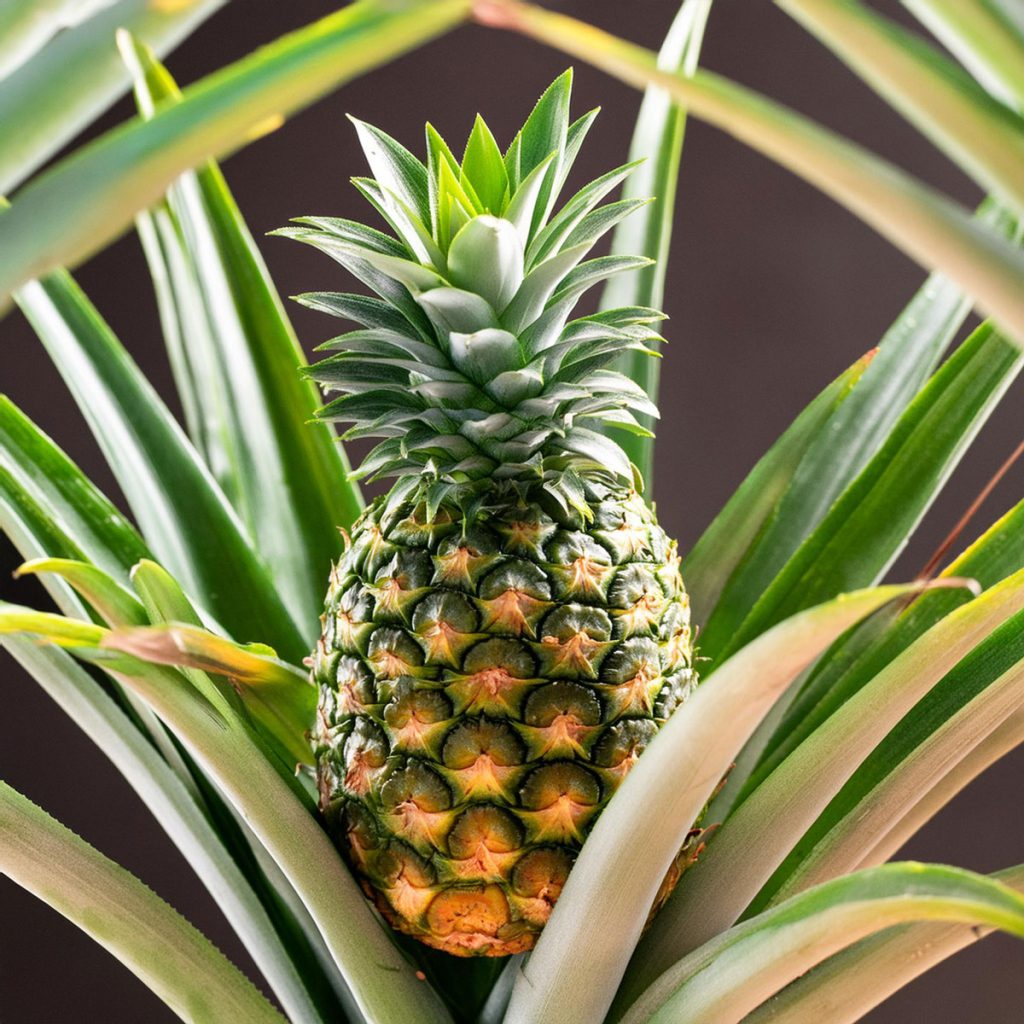
Many believe pineapple is native to Hawaii and that it grows on trees. When I have friends visit the islands, they are completely surprised to see that the pineapple plant sprouts like a flower from a small ground plant that has long, thick, spiky leaves. Fully grown, the plant only reaches 2′-4′ in diameter. Native to South America and the Caribbean, many theorize that this delcious fruit was introduced to Hawaii during the 19th century. One of the main theories being that Christopher Columbus brought it back to Europe after visiting the Caribbean and as Europeans started colonizing the islands, indigenous Hawaiians adopted it. Now, Pineapple is a symbol of hospitality in Hawaii. It is enjoyed fresh or incorporated into dishes such as salads, desserts, and even savory dishes like grilled pineapple skewers. Its sweet, tangy flavor adds a tropical touch to any meal and showcases Hawaii’s abundant fruit harvests.
In conclusion, traditional Hawaiian cuisine is a fusion of cultural influences and natural abundance, offering a culinary journey that delights the senses and celebrates the spirit of aloha. Each dish tells a story of Hawaii’s history and the diverse flavors that have come together to create a unique and unforgettable dining experience.
What is a Hawaiian Luau?
June 30, 2024
Exploring the Heart of a Luau
A Hawaiian luau is more than just a party—it’s a cultural celebration showcasing the traditions and history of the islands. Originally a feast held to mark important occasions like weddings or births, modern luaus have evolved into vibrant events that welcome guests to experience the essence of aloha. Here’s a detailed look at the purpose of a Hawaiian luau and what you can expect when attending one.
Purpose of a Hawaiian Luau?
At its core, a Hawaiian luau serves as a gathering to celebrate community, culture, and connection. It’s a time to honor Hawaiian traditions, share stories through music and dance, and enjoy a feast fit for royalty. The spirit of aloha—love, peace, and compassion—is central to the event, creating an atmosphere of warmth and hospitality that welcomes everyone to participate in the festivities.
Is it worth going to a Luau in Hawaii?
Delving Into Hawaiian Luau Traditions
My first luau was more than expected. It is common for people to think it’s just about Hawaii and then you find out that it’s about Polynesian Culture. I especially loved the talented dancers showcasing the unique styles of, not just Hawaii, but Fiji, New Zealand, and Samoa as well. The different dances and chants with tropical plants and ocean as a backdrop make you feel you’re in a far off paradise. Then the fire spinners and breathers do their performances which completes the awe-inspiring talent of each individual showing their pride of being Polynesian.
Type of Food Served
One of the highlights of any Hawaiian luau is the mouthwatering array of traditional dishes. Expect to indulge in kalua pig, a succulent pork dish cooked to perfection in an underground imu (earth oven). Other staples include lomi lomi salmon, a refreshing salad made with tomatoes and salmon, and poi, a traditional Hawaiian staple made from taro root. Fresh seafood such as poke (marinated raw fish) and haupia (coconut pudding) add to the feast, ensuring there’s something to delight every palate.
Duration of the Event
A typical Hawaiian luau lasts approximately 2 to 3 hours, providing ample time to enjoy the entertainment, savor the food, and soak in the festive atmosphere. The evening usually begins with a warm aloha greeting and continues with performances of traditional music and dance that captivate guests throughout the event.
What to Wear
Dressing for a Hawaiian luau is all about embracing the relaxed yet festive island vibe. Men often opt for comfortable aloha shirts paired with dress shorts or slacks, while women can choose from colorful sundresses or flowing muumuus. Footwear tends to be casual, with sandals or flip-flops ideal for the outdoor setting. A light jacket or shawl may be advisable for cooler evening temperatures.
Dances Performed
At a Hawaiian luau, you’ll be treated to mesmerizing performances of traditional Polynesian dances. The hula, Hawaii’s most iconic dance form, is showcased in various styles, each telling stories of legends, nature, and everyday life through graceful movements and expressive gestures. Other dances may include the energetic Samoan slap dance and the dynamic Tahitian drum dances, offering a captivating glimpse into the diverse cultures of the Pacific Islands.
Embracing the Spirit of Aloha
Attending a Hawaiian luau is not just an event; it’s an opportunity to immerse yourself in the rich traditions and hospitality of Hawaii. Whether you’re drawn by the tantalizing cuisine, the enchanting dances, or the sense of community, a luau promises an evening of cultural enrichment and unforgettable memories. Plan ahead to experience one of Hawaii’s finest luaus and prepare to be swept away by the magic of aloha under the starlit skies.
 Hawaii Luaus